Expat tax services from trusted tax experts

Over 4,000+ reviews



Mentioned in



We make it easy for you
-
Create
an account -
Complete
Tax questionnaire -
Sign
Engagement letter -
Sit back
while we work -
Pay
and review
Expert, human accountant working on your case
Real, experienced people – our expat tax professionals genuinely care and are always ready to answer your questions. Every expat tax consultant on our team understands US expat taxation inside and out.
80+ accredited CPAs, EAs, JDs.
Real people, just like you.
50,000+ clients, 193+ countries, 4,000+ reviews









Articles & tax guides
View all →Many US taxpayers discover years later that foreign income, bank accounts, or FBARs were never reported — often because they did not realize the rules applied to them. To help eligible...
Owning a SARL in France can create US information-reporting obligations and...
Form 5471 Schedule E reports the foreign income taxes a controlled foreign corporation paid or accrued during its tax year. The US shareholder uses this data to claim a deemed-paid foreign tax credit under IRC Section 960, reducing double taxation. ...
Quick answer: Guam operates a mirror tax system – the territory applies the US Internal Revenue Code with “Guam” substituted for “United States.” Bona fide residents file with the Guam Department of Revenue and Taxation, not the IRS. Guam imposes a Gross Receip...
Quick answer: Bona fide USVI residents who meet the 183-day presence test, maintain no tax home outside the USVI, and satisfy the closer-connection requirement file their income tax return with the Virgin Islands Bureau of Internal Revenue (VIBIR) instead of the IRS, potentially unlocking significant tax advantages. The...
A PFIC annual information statement is a document issued by a foreign fund to its US shareholders that provides the data required to make or maintain a Qualified Electing Fund election on IRS Form 8621. Without this statement, a US investor...
Data secured by
two-factor authentication

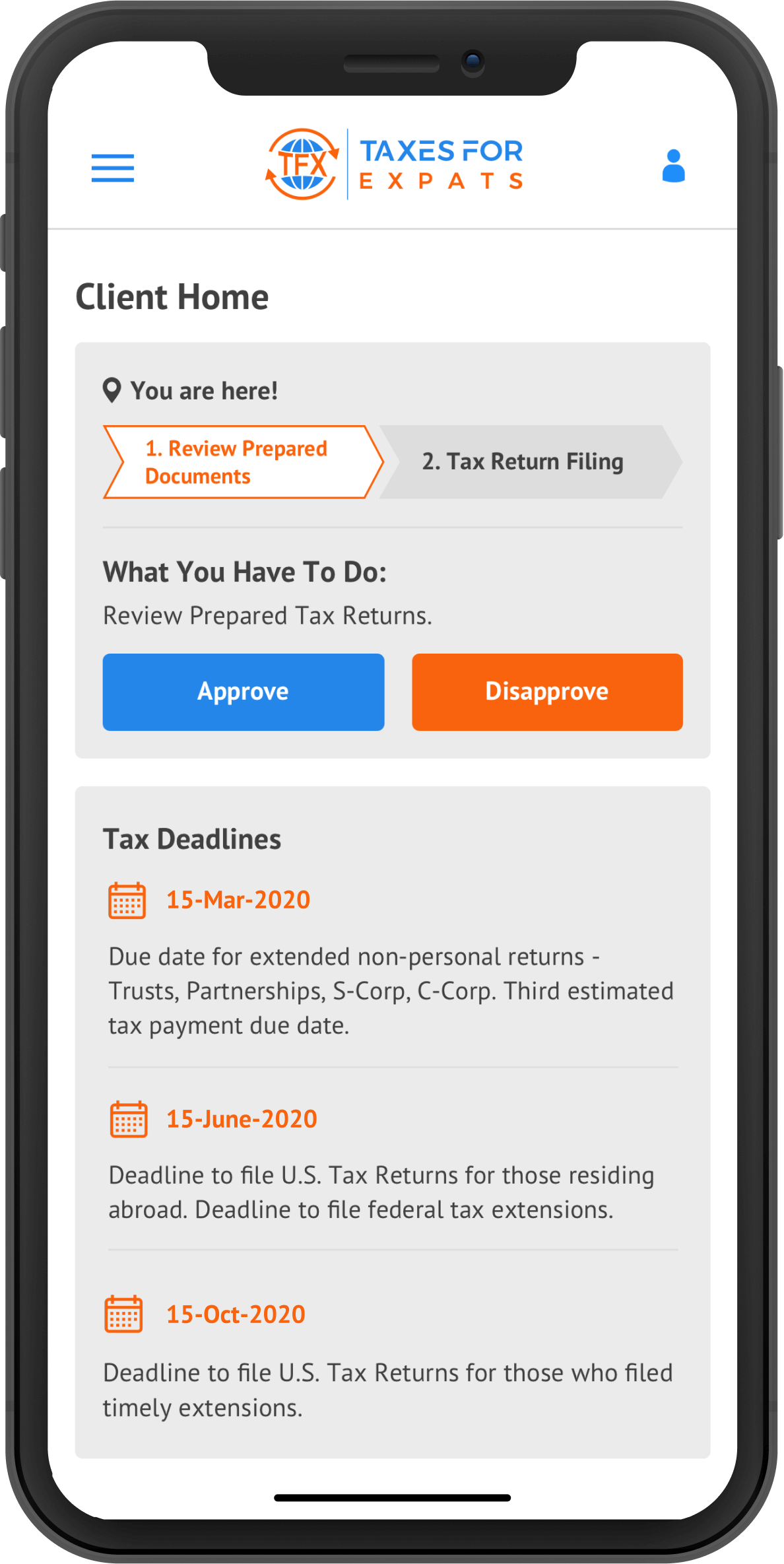
Access to your information anytime, anywhere